
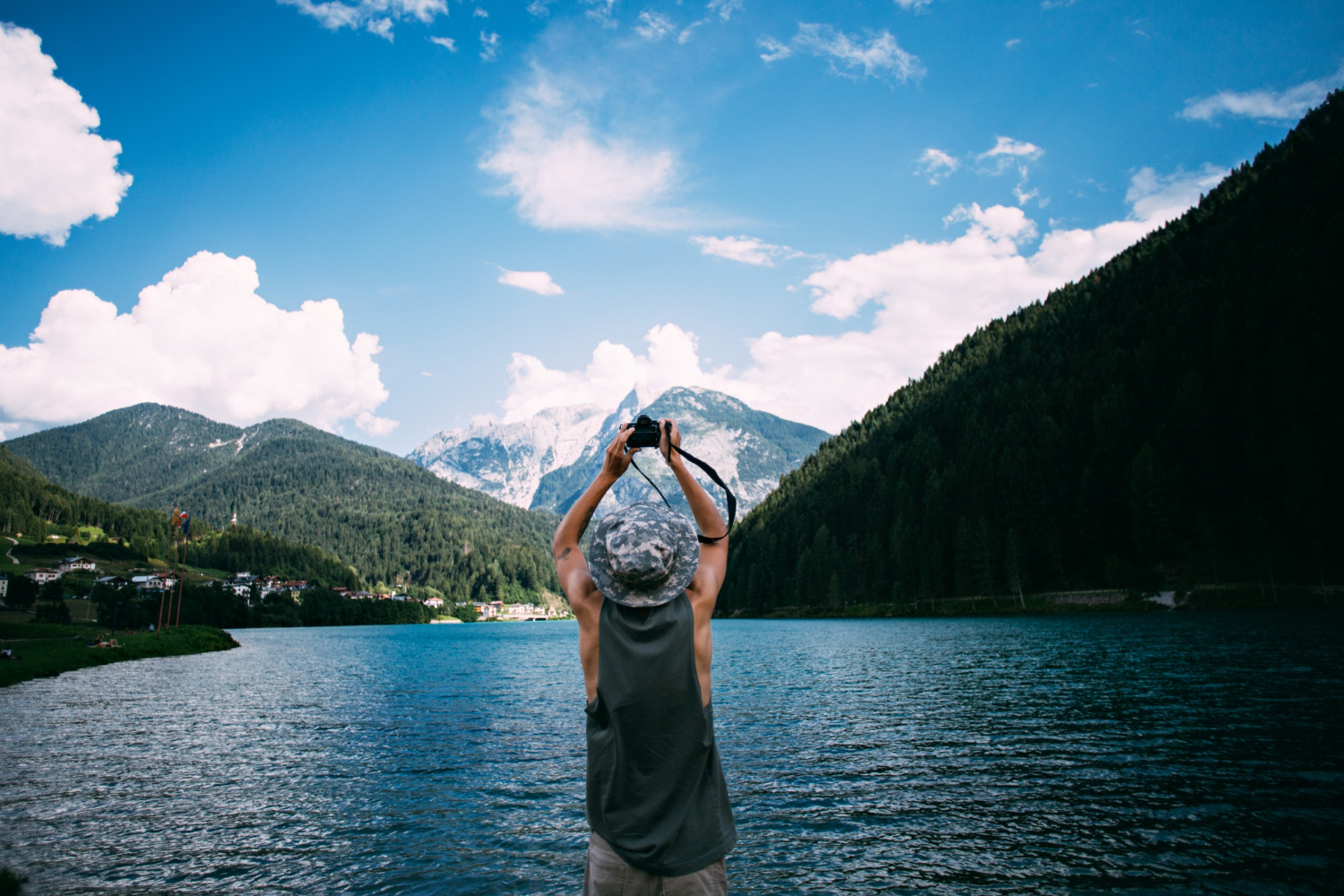
New Zealand has become one of those rare destinations where travel feels less like sightseeing and more like stepping into a living, breathing landscape. Instead of simply viewing nature from a distance, visitors are encouraged to interact with it, whether that means hiking across volcanic terrain, rafting through fast-moving rivers, or exploring ancient forests shaped by time and weather. Adventure travel in New Zealand is changing what people expect from a holiday, shifting the focus from relaxation alone to meaningful, active experiences in the outdoors.
The Shift From Passive Tourism to Active Exploration
 Traditional tourism often revolves around ticking off landmarks and taking photos, but New Zealand encourages a more hands-on approach. Travelers are increasingly looking for experiences that engage their senses and challenge them physically, and the country’s geography naturally supports this shift. From geothermal zones to rugged coastlines, the environment invites participation rather than observation. This shift has positioned New Zealand as a leader in experiential travel, where the journey matters just as much as the destination.
Guided Adventures That Connect People With Nature
One of the reasons adventure tourism thrives here is the strong presence of guided experiences that help visitors safely access remote and dramatic landscapes. Companies like kaitiaki Adventures offer structured ways to explore rivers, mountains, and volcanic regions while also sharing the cultural and environmental significance behind these places. Instead of simply providing adrenaline-filled activities, these guided experiences often include storytelling and education, helping travelers understand the deeper relationship between people and land.
The Role of Māori Values in Outdoor Experiences
A unique part of New Zealand’s travel identity comes from Māori culture, which emphasizes respect for the environment and the idea of guardianship over natural resources. This perspective influences many adventure tourism operators who integrate cultural principles into their experiences. Visitors are not only exploring nature but are also learning about the responsibility of caring for it. This adds a meaningful layer to adventure travel, turning it into something more reflective and connected rather than purely recreational.
Sustainability at the Heart of Modern Tourism
As global awareness around environmental protection grows, New Zealand has positioned itself as a destination that values sustainability alongside adventure. Many tourism operators focus on minimizing environmental impact while supporting conservation efforts. This approach ensures that natural spaces remain protected even as more people visit them. Adventure travel here is not just about enjoying nature in the moment but also about preserving it for future generations.

Landscapes That Feel Like Another World
Part of what makes adventure travel in New Zealand so distinctive is the variety and intensity of its landscapes. In a single trip, travelers might move from lush rainforests to volcanic craters or from calm lakes to powerful white-water rapids. These environments are not just scenic backdrops but active parts of the experience, shaping the type of adventures available. This diversity allows travelers to experience multiple forms of outdoor exploration without leaving the country.
Why Travelers Are Seeking Meaningful Experiences
Modern travelers are increasingly looking for more than just relaxation or luxury. There is a growing desire for experiences that feel authentic, challenging, and memorable. New Zealand meets this demand by offering travel that feels personal and immersive. Whether it is rafting through fast rivers or hiking across ancient terrain, visitors leave with a stronger connection to nature and a deeper appreciation for the environments they have experienced.
Adventure travel in New Zealand is redefining what it means to explore the natural world. It moves beyond traditional tourism by combining physical activity, cultural insight, and environmental awareness into a single experience. Instead of simply visiting places, travelers become part of them, even if only for a short time. This shift is what makes New Zealand such a powerful example of how travel can evolve into something more meaningful, connected, and responsible.